
Level Ground That Drains Correctly
Grading in Bladenboro for yards where water pools near the foundation or slopes direct runoff toward structures
Porter's Landscaping & Land Management provides grading services in Bladenboro, Shallotte, Wilmington and surrounding areas to correct surface elevations, establish proper drainage paths, and prepare sites for construction or landscaping. You need grading when rainwater collects in low spots, when the yard slopes toward the house instead of away from it, or when you plan to install a driveway, building pad, or lawn that requires a stable, level base. The work reshapes the soil surface using equipment that cuts high areas and fills depressions, creating controlled grades that move water where it needs to go.
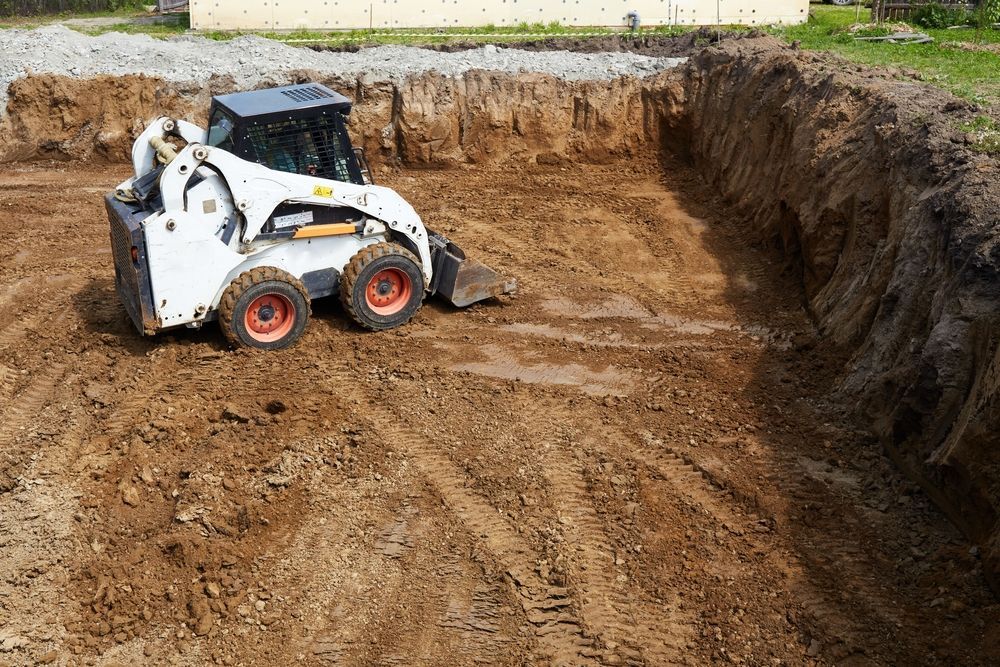
The process begins with a site evaluation to identify existing drainage problems, measure slope angles, and locate underground utilities. A skid steer or box blade is used to remove or redistribute soil, cutting down ridges and filling in swales to achieve the target grade. Finish grading smooths the surface and establishes consistent fall rates, typically a minimum of two percent slope away from structures to prevent water from pooling. On larger properties, rough grading may involve heavier equipment to move significant soil volumes before fine grading sets the final contours.
If your property has drainage issues or you are preparing land for a new project, contact Porter's Landscaping & Land Management for a site evaluation and grading plan tailored to your soil type and intended use.
What Proper Grading Accomplishes on Your Property
After grading, you will see water move away from buildings and off the property without forming puddles or eroding channels. Low areas that previously held standing water after storms will be filled and sloped to direct runoff toward drainage swales, ditches, or storm inlets. The ground will be firm and stable, allowing construction equipment to access the site without sinking and providing a solid base for driveways, patios, or foundations. Erosion along slopes is reduced because the graded surface spreads water flow rather than concentrating it in narrow paths.
Porter's Landscaping & Land Management uses finish grading techniques to create a smooth surface ready for seeding, sod installation, or additional construction phases. The service is scaled to handle residential lots where minor adjustments prevent basement seepage, as well as larger properties requiring extensive earthwork to prepare for development or farming operations. Equipment selection and grading methods are matched to soil conditions and project scope to avoid compaction issues that would interfere with future planting or drainage function.
The service includes all necessary earthmoving, surface shaping, and removal of debris exposed during grading. It does not include topsoil delivery, seeding, or installation of subsurface drainage systems such as French drains or perforated pipe. If significant cut or fill is required, additional soil may need to be imported or hauled off site.
Common Questions About Grading Projects
Property owners often want to know how grading solves drainage problems, what equipment is used, and what the land will look like when the work is finished.
What slope percentage is needed to move water away from a house?
A minimum two percent slope, or about one quarter inch of drop per foot, is required to ensure water does not pool against the foundation.
How does a box blade differ from a grading rake?
A box blade cuts and levels soil in multiple passes, while a grading rake is used for finish work to smooth the surface and remove small rocks before seeding.
Why does clay soil require different grading techniques?
Clay compacts easily under equipment weight, so grading in Bladenboro often involves working the surface in dry conditions and avoiding over-compaction that would prevent root growth or water infiltration.
When should grading be done before construction starts?
Grading should be completed after clearing and rough earthwork but before any footings or paving are installed, ensuring the site is stable and accessible for equipment.
What happens if the graded surface is left exposed for several months?
Erosion can occur if the soil is not stabilized with seed, sod, or mulch, so temporary cover or silt fencing may be needed if construction is delayed.
Porter's Landscaping & Land Management handles grading projects that prevent water damage, prepare sites for building, and improve the function of your land. Call to schedule an evaluation and receive a grading estimate based on your property's current conditions and project goals.